Commercial Food Organics Programs Require More Than Collection
Successful food organics participation depends on more than providing a collection service. Councils may need practical resources, participant guidance and operational support to help businesses adopt new processes consistently.

Wet Food Organics and Handling Challenges
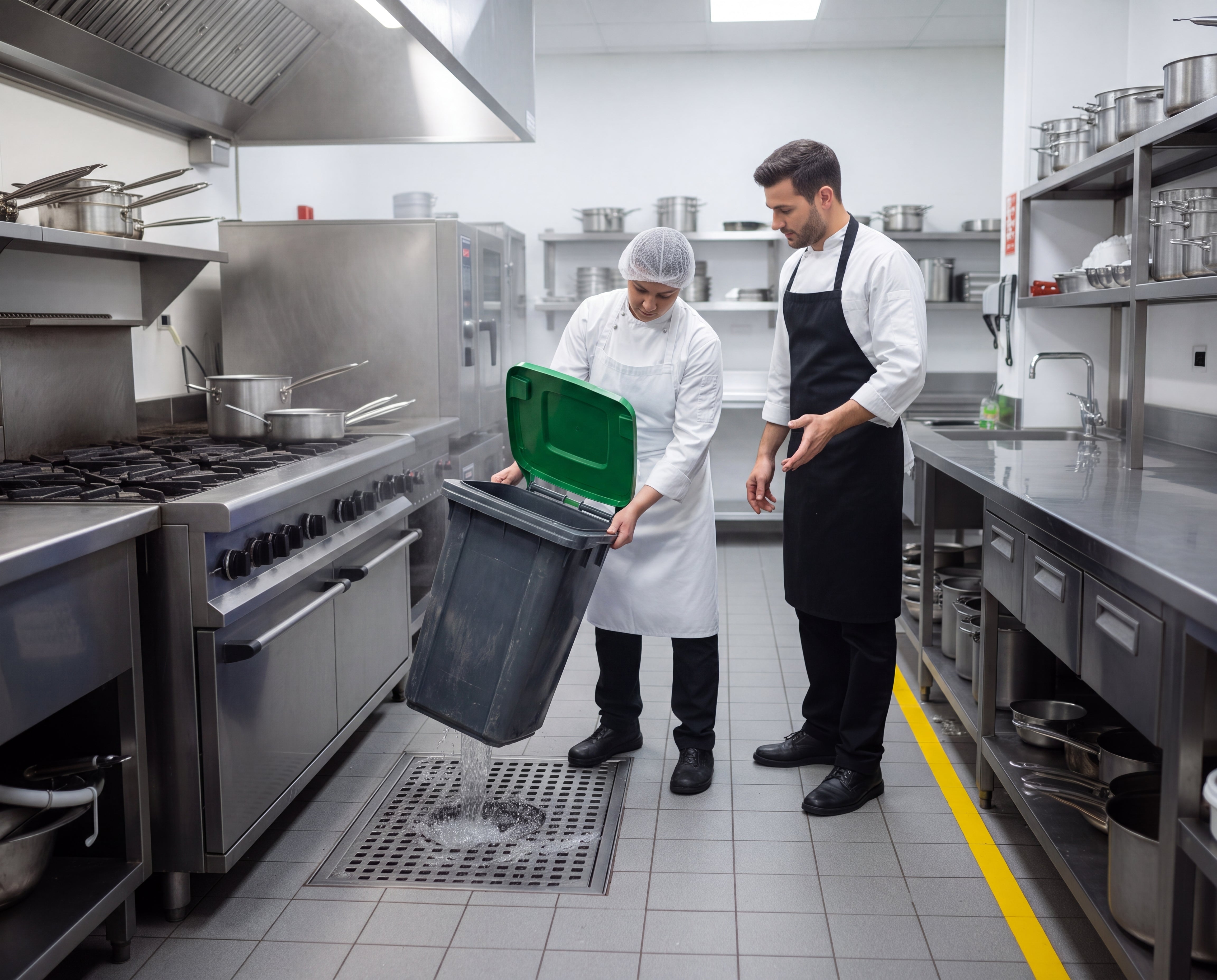
Commercial kitchens often manage higher volumes of wet food organics, including food scraps, leftovers and preparation waste. Practical guidance can help businesses manage handling, storage and collection routines effectively.

Staff Turnover and Multi-Shift Operations
Hospitality businesses often operate with changing teams, casual staff and multiple shifts. Clear FOGO education materials and disposal guidance can support consistent participation across different users.

Back-of-House Space and Bin Management
Internal collection points, bin placement and cleaning routines can influence how easily businesses participate in food organics programs.
Collection and Processor Requirements
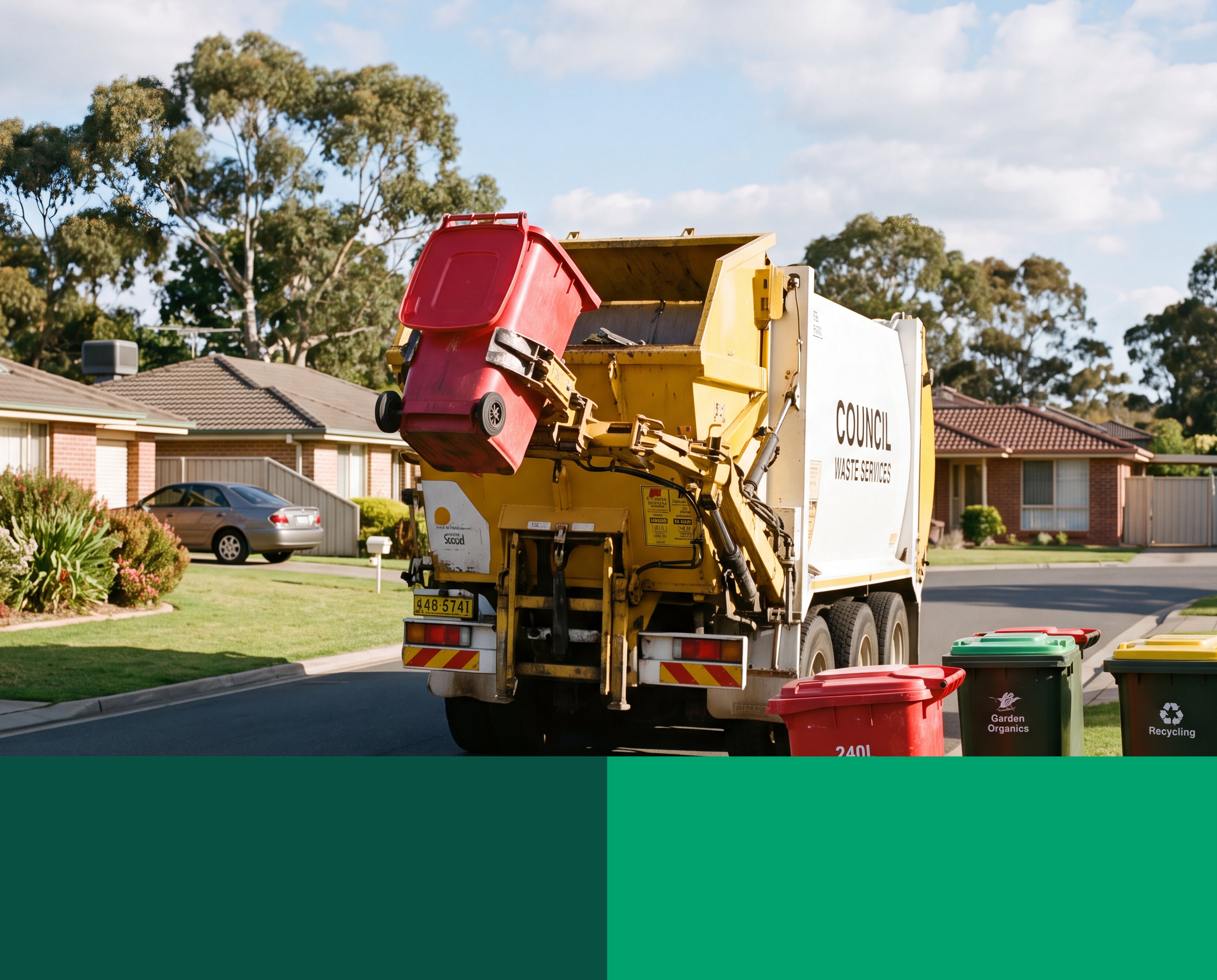
Any commercial food organics approach should align with confirmed local collection services, contractor arrangements and organics processor requirements.
How Guarden Supports Councils
Guarden provides practical resources and trial support to help councils explore commercial food organics participation pathways while considering local operational conditions.
Readiness and Resource Support
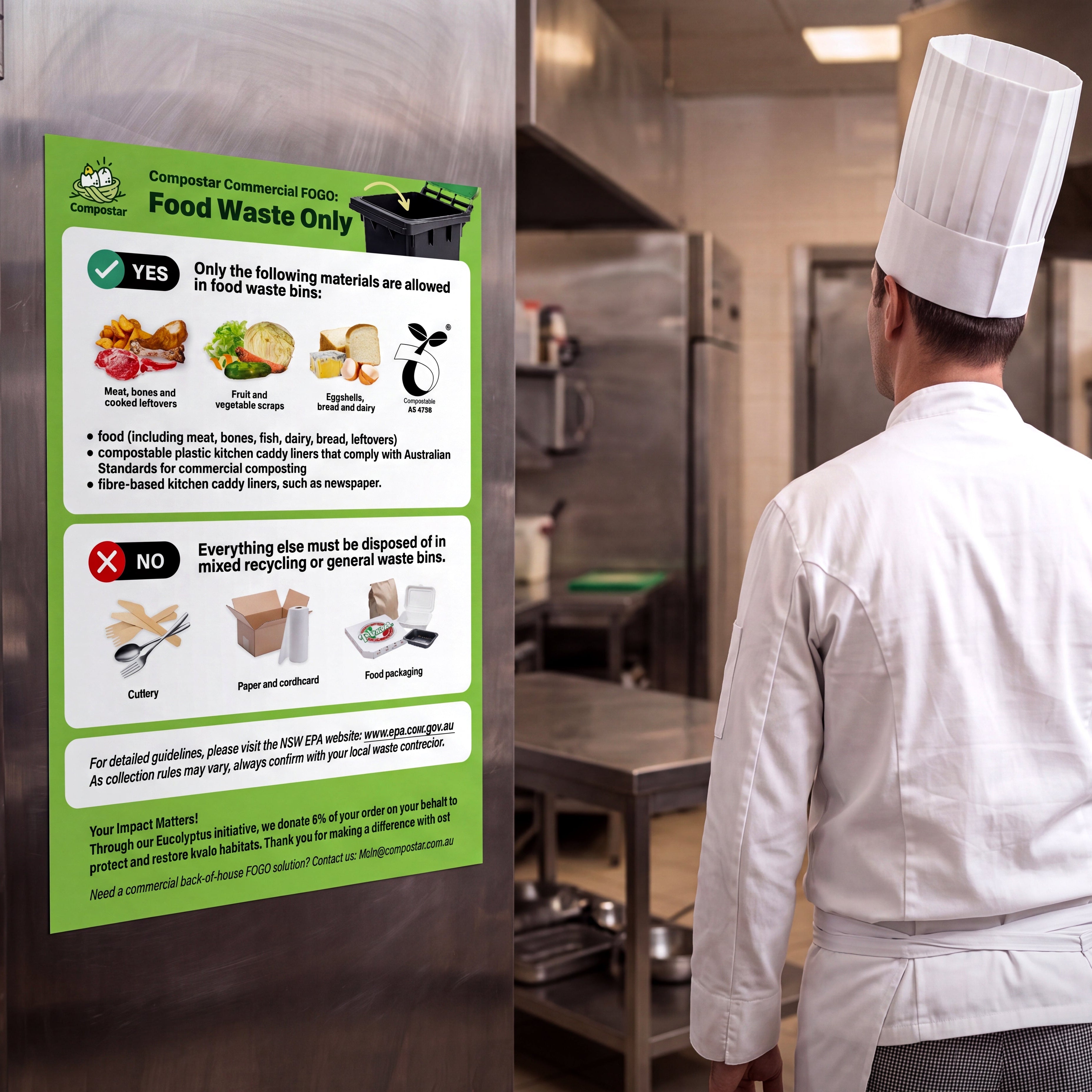
Participant guidance, accepted and not accepted materials, bin labels, onboarding content and practical FOGO education resources.
Small-Scale Food Organics Trials
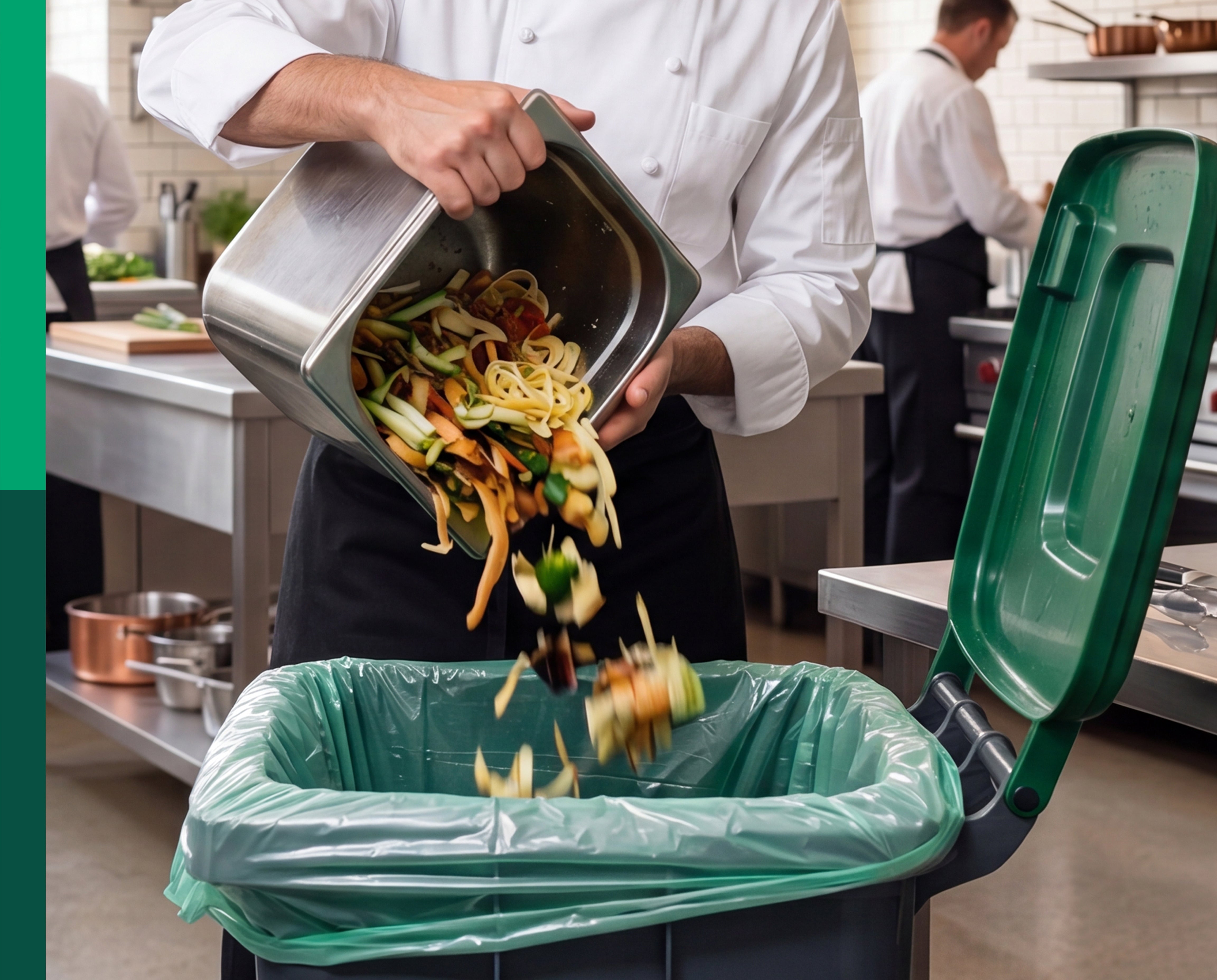
Support selected-business trials designed to collect local operational observations before broader program assessment.

Participant Education and Feedback Tools
QR feedback access, issue reporting pathways, staff guidance and site-based prompts to support ongoing participation improvement.

Trial Review and Next-Step Support
Consolidated trial observations, feedback records and practical materials to support council evaluation and future planning.
Council Commercial Food Organics Participation Pathway
Councils can begin with preparation and participant support before considering a small-scale commercial food organics trial.

Step 1
Understand
Clarify local objectives, participating business types, collection conditions and processor boundaries.

Step 2
Prepare
Develop participant materials, FOGO communication resources, bin setup guidance and issue-reporting pathways.

Step 3
Trial
Support selected businesses with practical resources, participant guidance and feedback tools.

Step 4
Review
Consolidate operational observations and identify conditions requiring further assessment.

Final Summary
Guarden helps Australian councils prepare, test and review practical commercial food organics participation pathways through education resources, participant materials and trial support aligned with local collection and processing conditions.
FAQs
What does Guarden support for council food organics programs?
Guarden supports councils with practical food organics participation resources, including participant guidance, bin labels, accepted / not accepted material prompts, feedback tools and small-scale trial support.
Does Guarden replace a council’s waste contractor or processor?
No. Guarden does not replace the council, waste collection contractor or organics processor. Our role is to support preparation, participant materials and trial resources. Collection and processing conditions should always be confirmed locally.
Can councils start with a small-scale food organics trial?
Yes. A small-scale trial can help councils gather local observations before considering broader participation. Guarden can support selected-business trials with guidance materials, site prompts and feedback tools.
What businesses can be included in a council trial?
A trial may include selected cafés, restaurants, hospitality venues, commercial kitchens, food service operators or other sites that generate food organics. The final participant group should reflect local objectives and collection conditions.
Can liner-supported participation be included?
A liner-supported approach should only be considered where an appropriate local arrangement has been confirmed. Councils should review collection requirements, processor acceptance and local program objectives before including liners.