The Problems We Help Solve
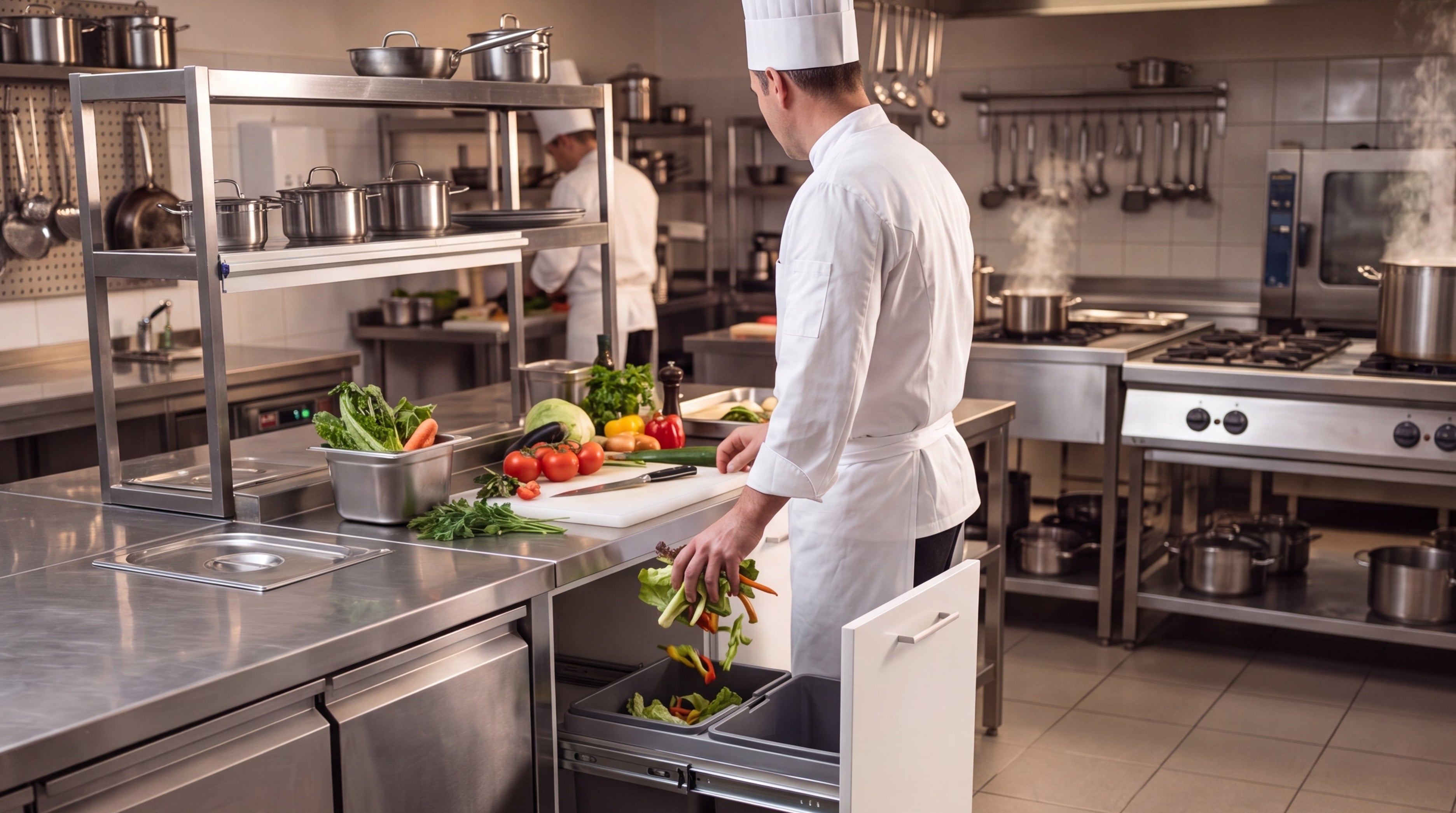
Food organics separation is not only about adding a bin. In real enterprise environments, teams need suitable compostable product options, clear staff guidance, container and liner fit, sample testing and reliable supply support across one or multiple sites.
Wet and Heavy Food Organics
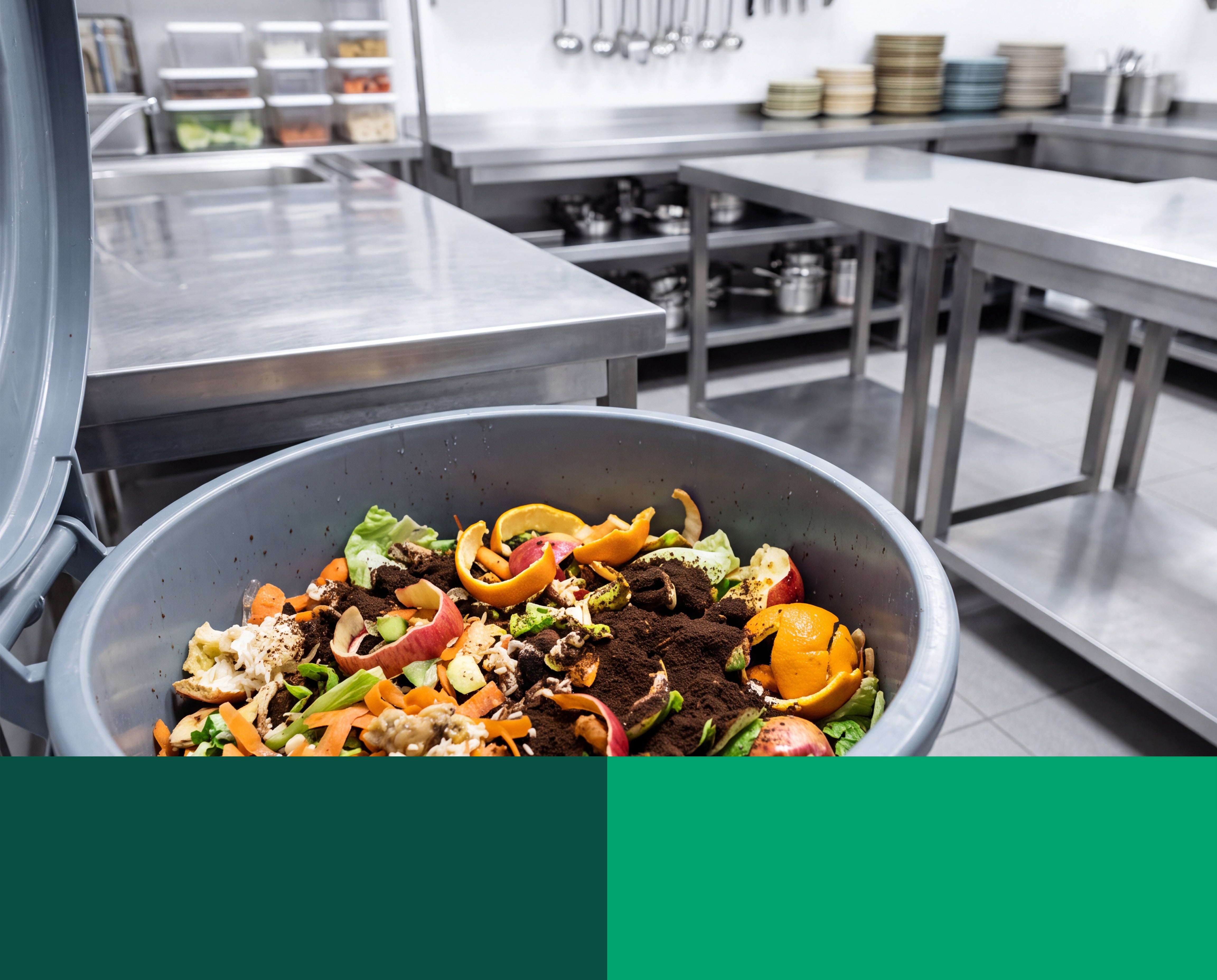
Food scraps, coffee grounds, fruit, vegetables and leftovers can become heavy, wet and difficult to handle during daily service. If the liner or container does not match the food waste point, teams may face leakage, odour, bin juice and extra cleaning work. Guarden helps teams consider suitable compostable product options before scaling.

Staff and Shift Consistency
Food organics separation often relies on rotating staff, contractors, casual teams and multiple shifts. Clear, simple staff guidance helps everyone follow the same process during busy service, from prep areas to bin rooms. Guarden can support practical resources such as one-page guides, sorting prompts and site-ready instructions.
Container and Liner Fit
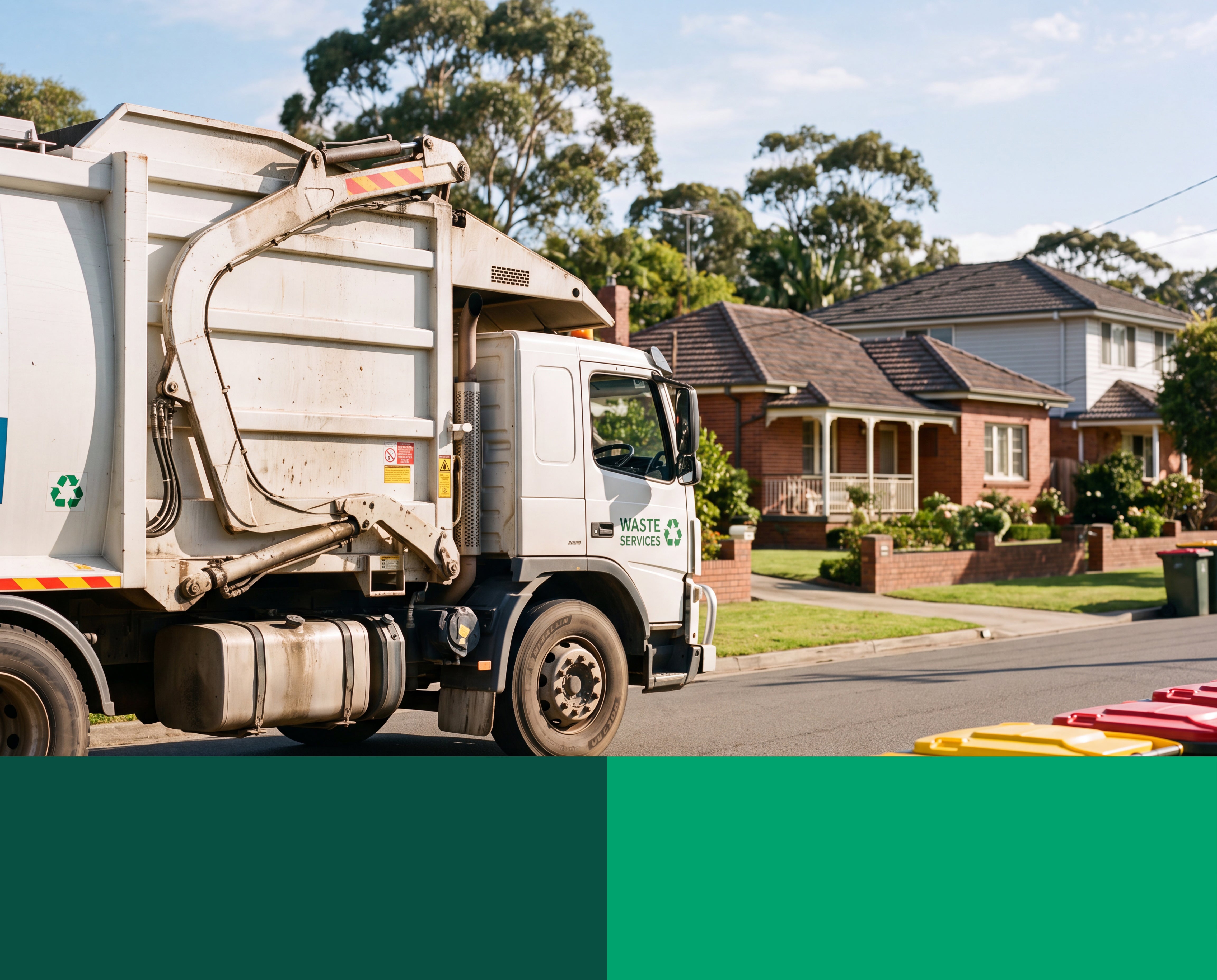
Different food waste points may need different caddies, liners, transfer bins or larger collection containers. A product that works for a small kitchen caddy may not suit a BOH transfer bin or larger collection point. Guarden helps enterprise teams review container sizes, liner formats and sample testing needs before choosing a product pathway.
Multi-Site Supply Needs
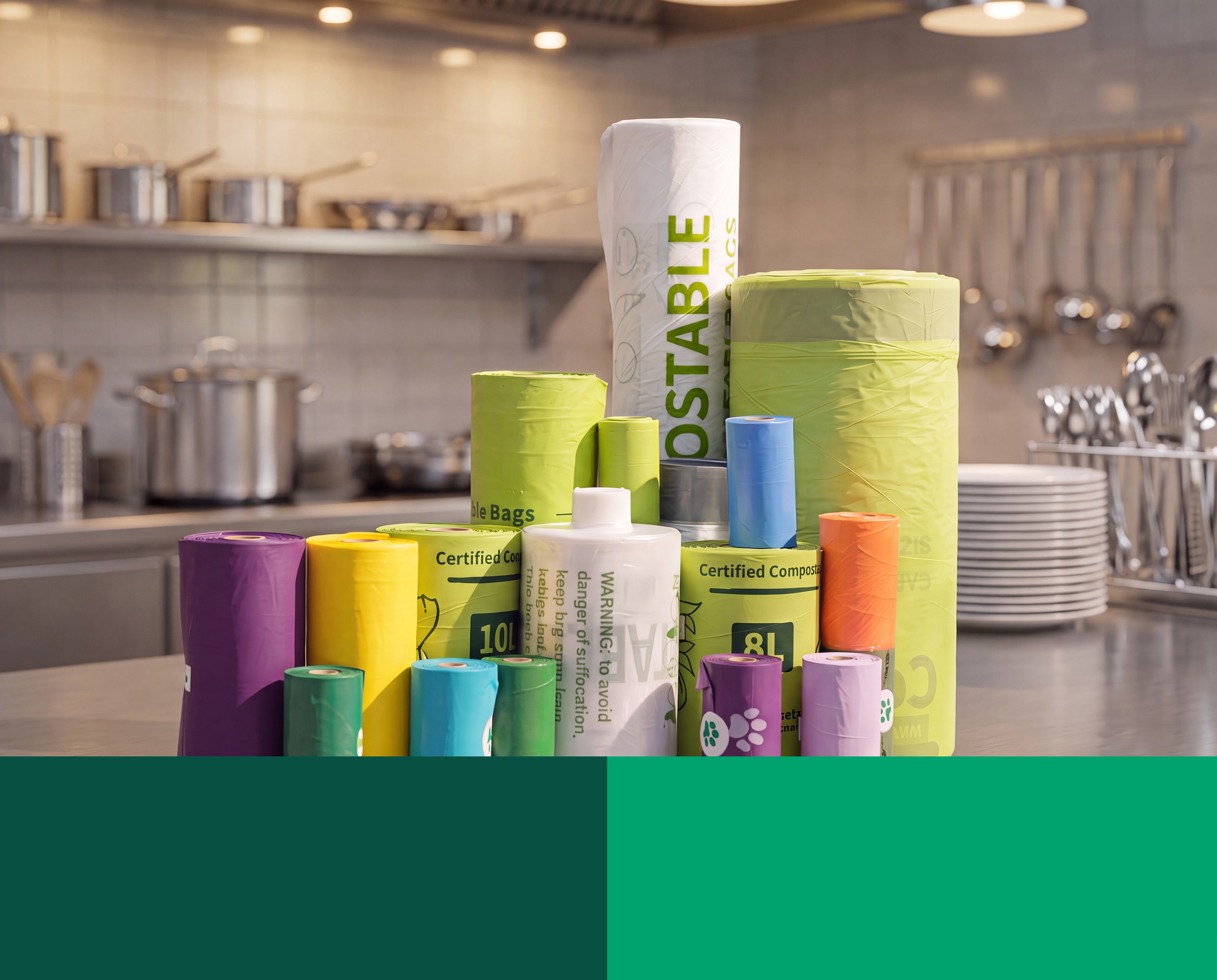
Multi-site teams often need consistent product formats, packaging, specifications and supply support across different locations. Procurement and operations teams may also need clearer product notes before internal review or supplier discussion. Guarden supports sample, specification and custom supply pathways for enterprise food organics projects.
What Guarden Helps With
Guarden helps procurement, operations and facility teams select suitable commercial compostable bin liner options, test food waste liners before scaling, and prepare specification notes for staff, suppliers and waste-service partners.
Choose Commercial Liner Options
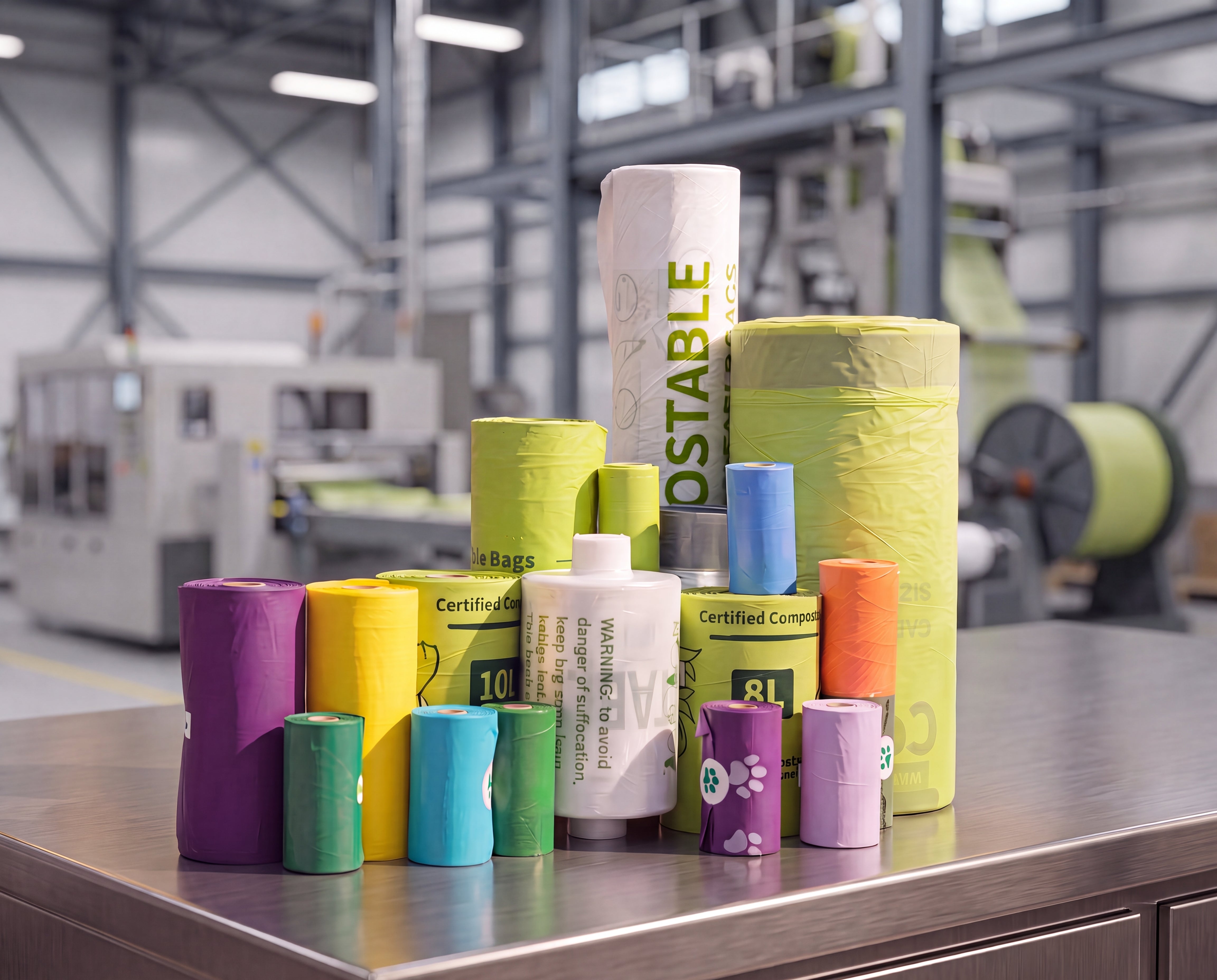
Match compostable bin liners and caddy liners to kitchen caddies, BOH transfer bins, 120L / 240L collection points and multi-site supply needs.
- Match liners to food waste points
- Review container and liner sizes
- Consider standard, sample or custom pathways
Test Liners Before Scaling
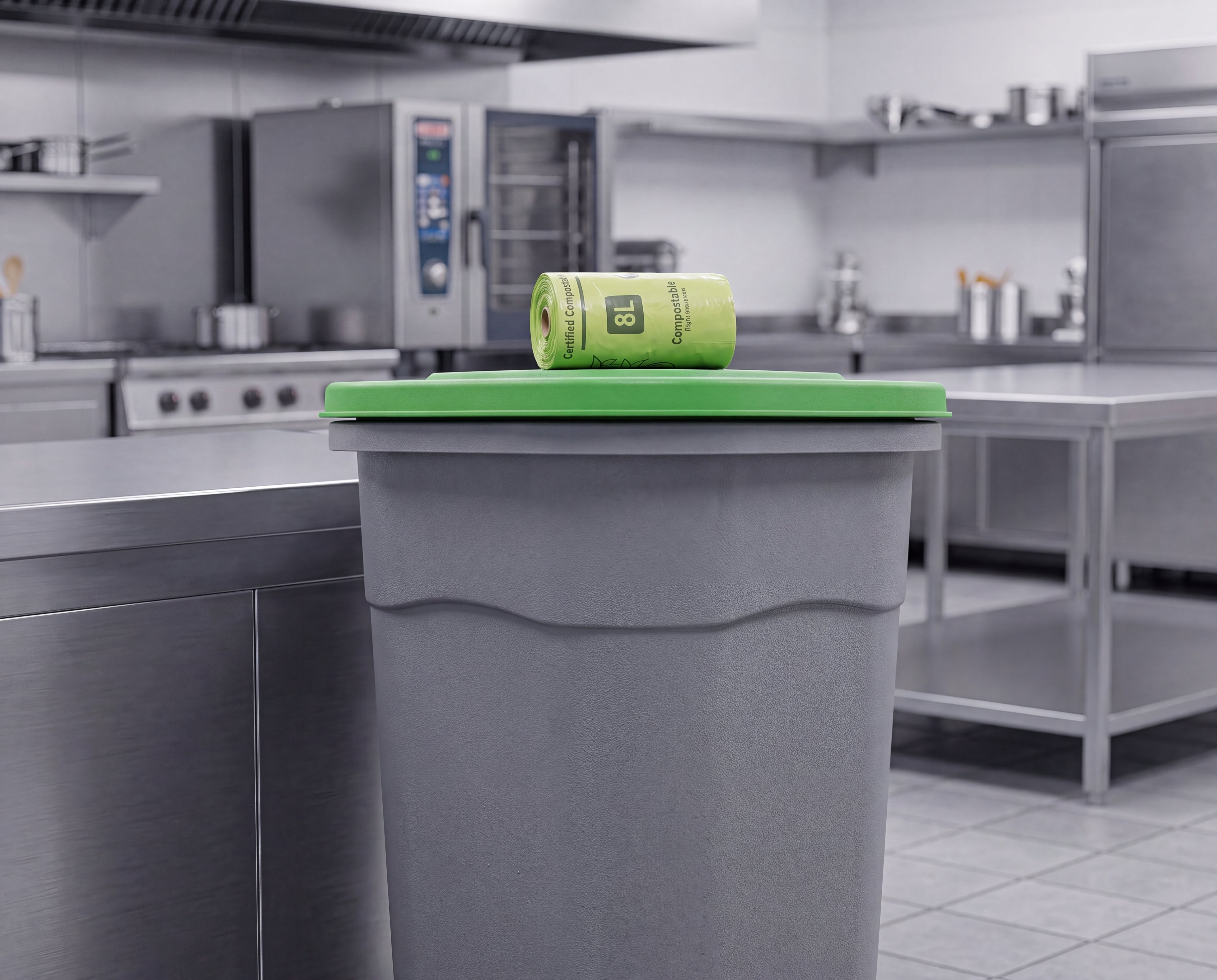
Use sample boxes to check liner fit, wet food waste handling, leakage risk, staff usability and site suitability before larger orders or custom specifications.
- Test fit and handling
- Review wet food waste performance
- Collect staff feedback

Support Staff and Procurement Decisions
Prepare staff guidance, AS 4736 product notes where applicable, supplier specification notes and multi-site supply information for internal review.
- Staff guidance materials
- Supplier specification notes
- Certification-aware product support
Product Pathway & Trust Support
Guarden helps enterprise teams choose suitable compostable product options, understand relevant certification pathways, and prepare samples, specifications and custom supply support for food organics projects.
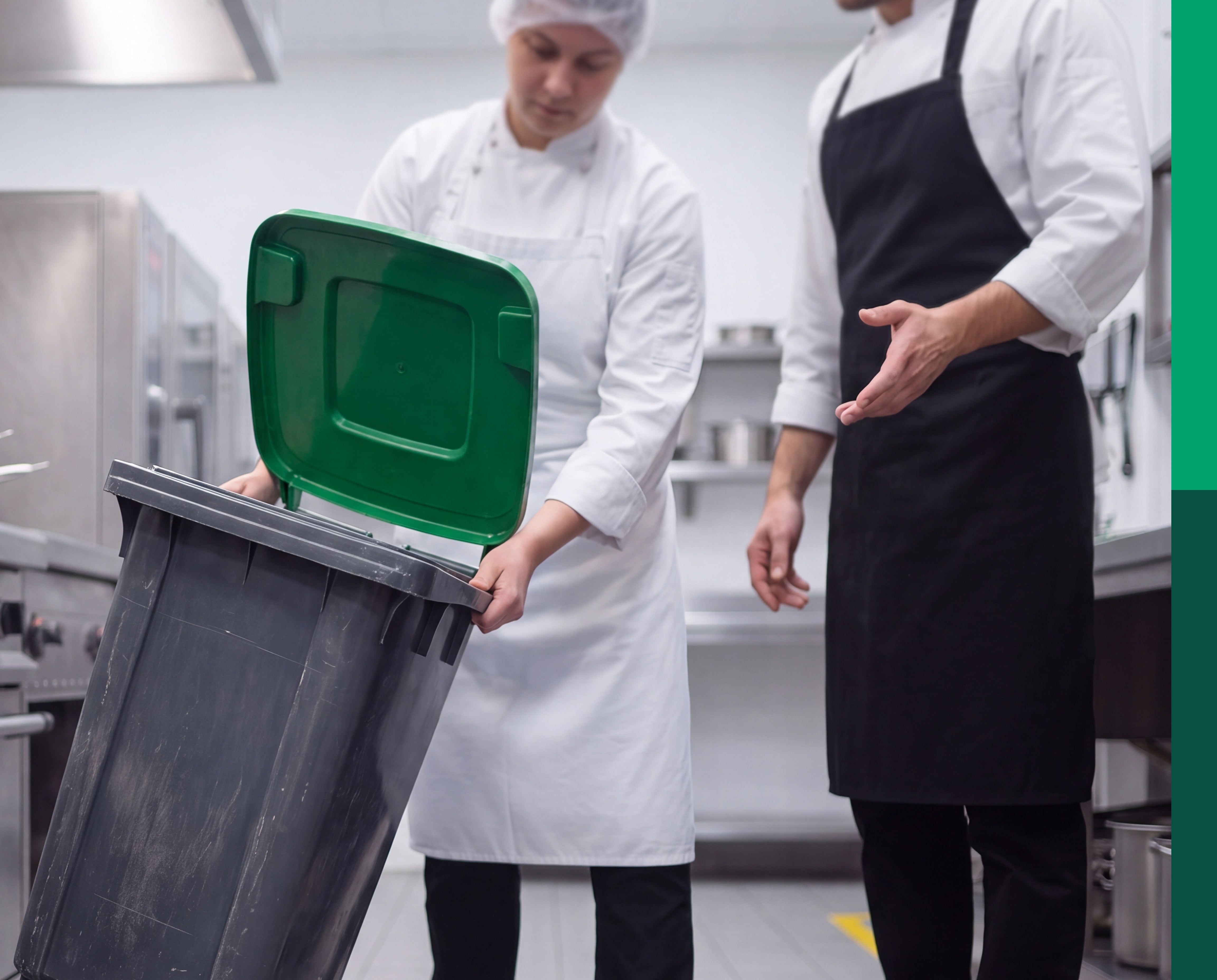
Certified Compostable Product Options
Access compostable product options designed for food organics use cases, from kitchen caddies to larger collection points.
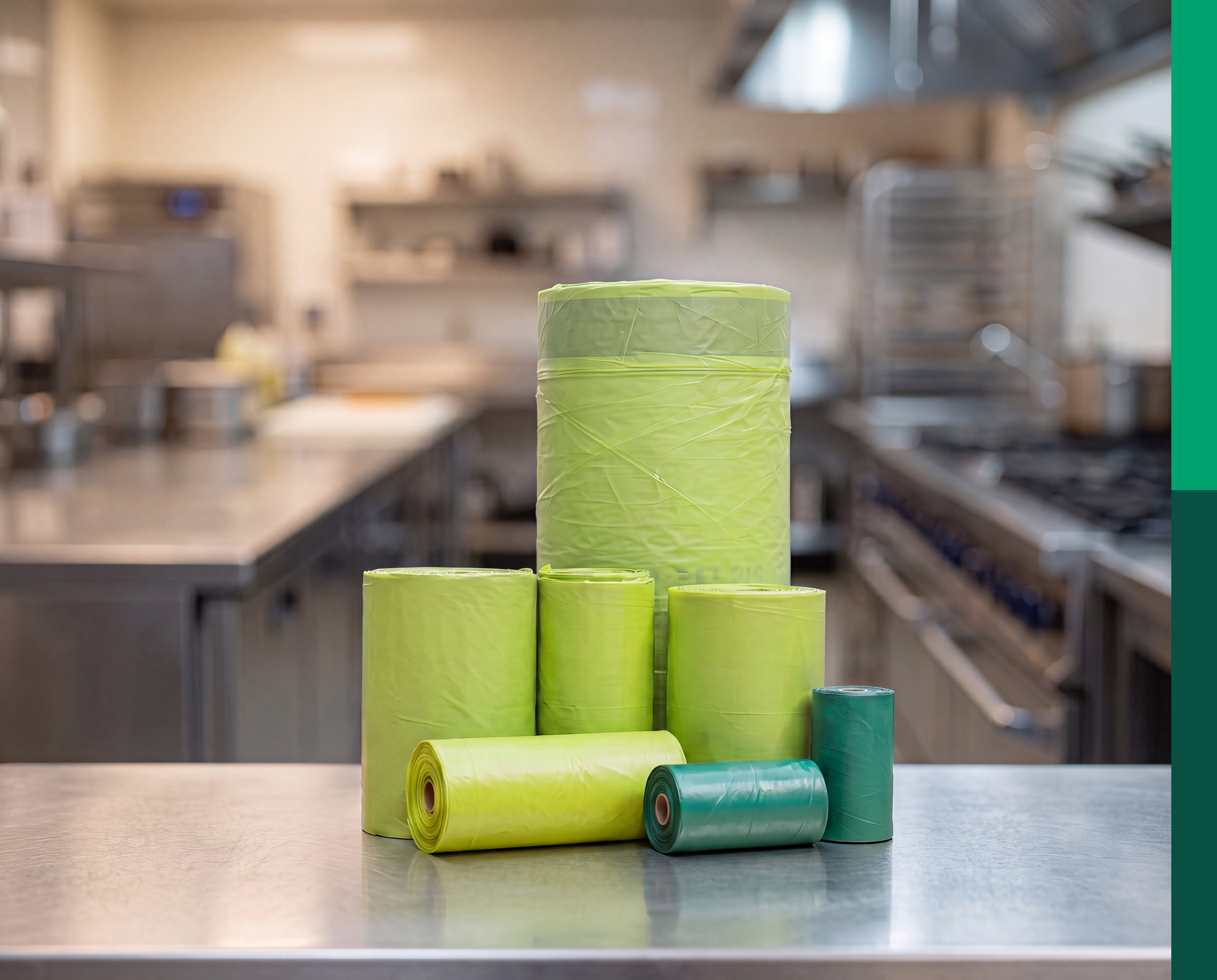
AS 4736 / AS 5810 Guidance Where Relevant
Understand which certification pathway may be relevant to your product type, use case and local acceptance requirements.
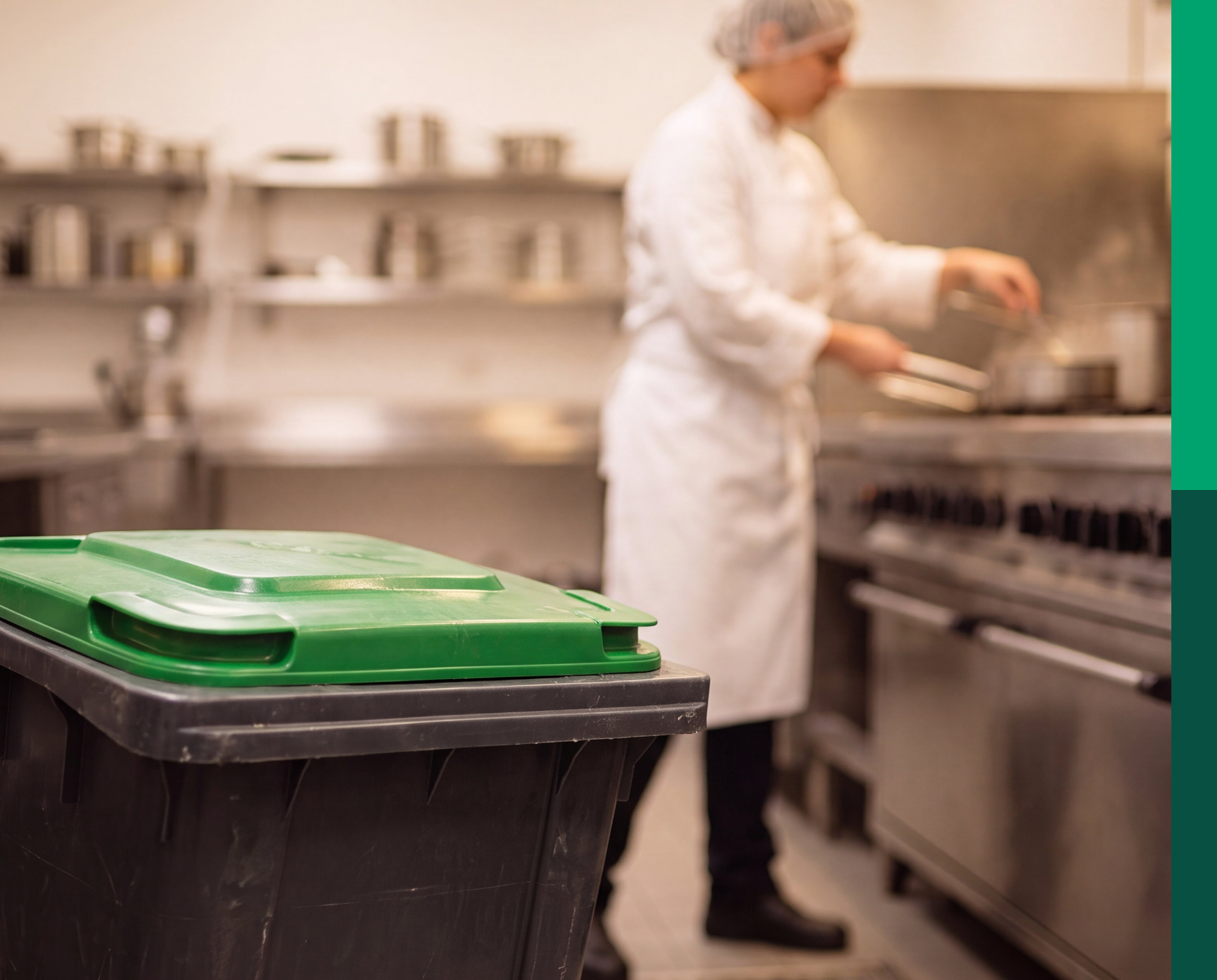
Australian Project Support
Practical support for Australian enterprises preparing food organics separation across kitchens, workplaces, facilities and multi-site operations.
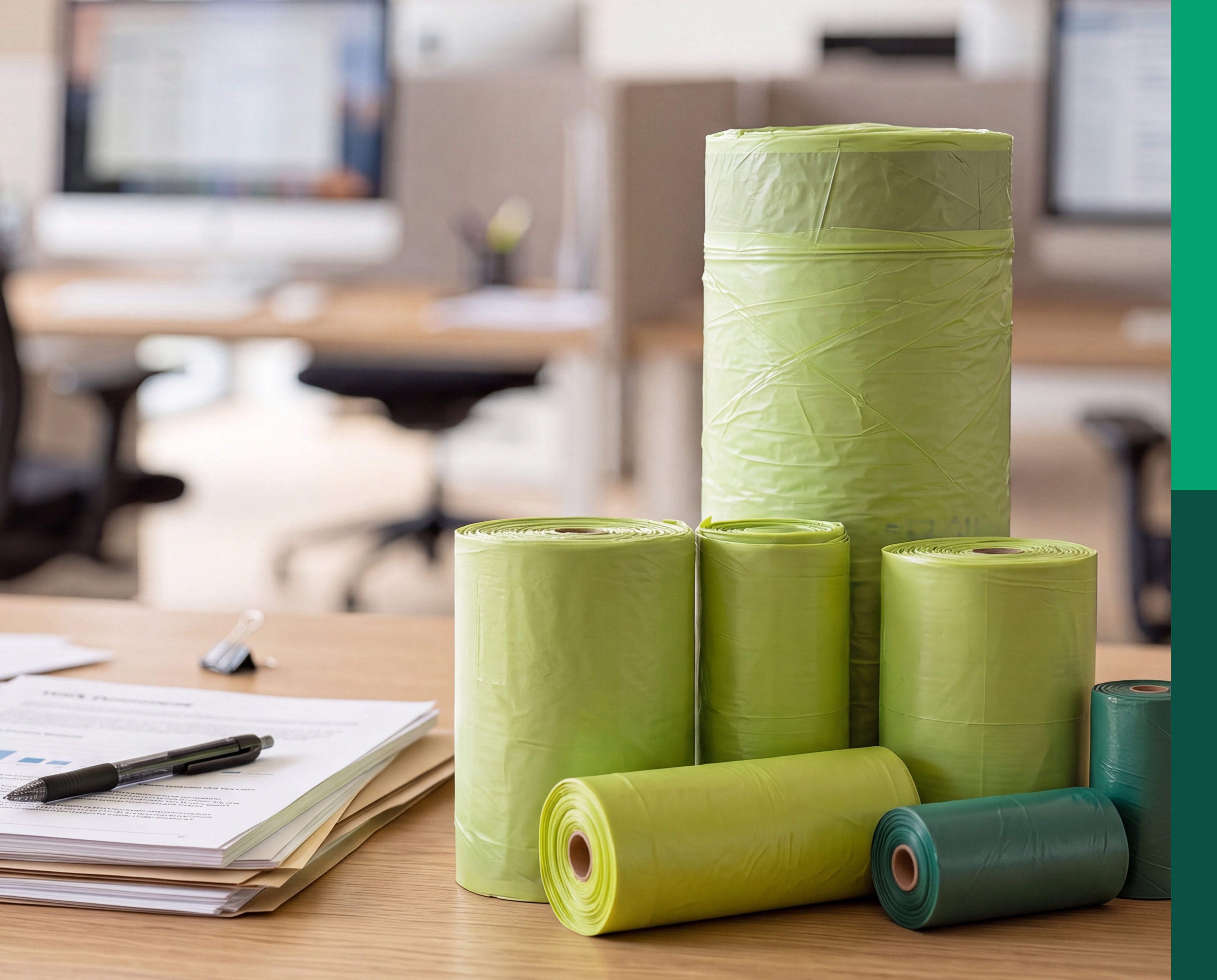
Sample and Specification Support
Request samples and product information before moving into larger orders, internal review or supplier discussions.
Custom Supply Options
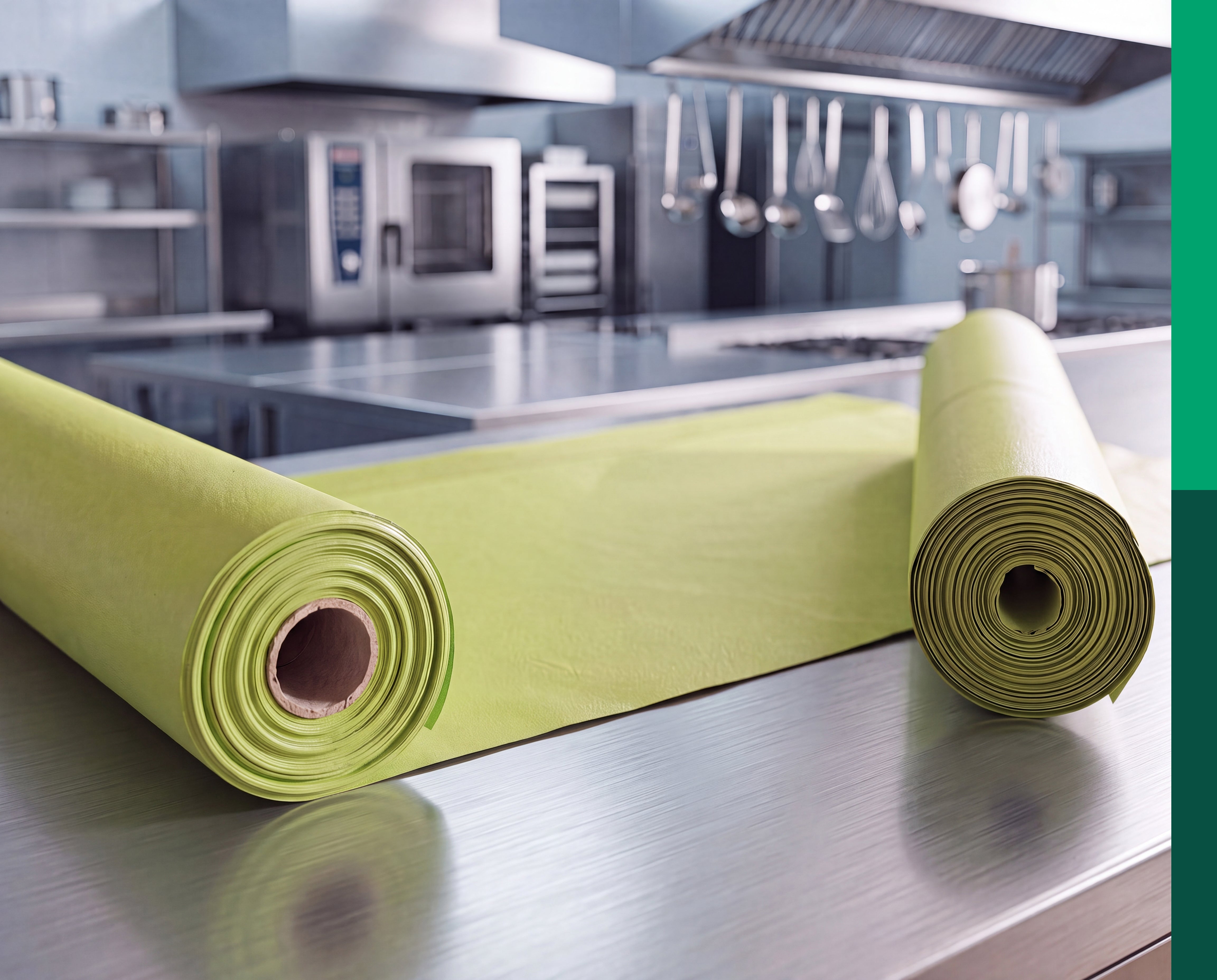
Discuss custom sizes, packaging formats, supplier notes or consistent product requirements across multiple locations.
Certification helps guide product selection. Local acceptance should be confirmed with your council, facility, processor or waste service provider.
Resources and Sample Support
Start with practical resources or a sample box before committing to larger supply, custom specifications or multi-site rollout decisions.

Enterprise Spec Checklist
A simple checklist to help procurement and operations teams confirm container sizes, use points, packaging needs and supply requirements before selecting a product pathway.
Best for: Procurement, operations, facility managers and multi-site teams.
Food Organics Separation Guide
A practical guide for staff and site managers explaining basic food organics separation, common use points, and what should or should not go into food organics collection.
Best for: Kitchen teams, staff areas, facilities and site managers.

Sample Kit Request
Request a sample box to test liner fit, handling, wet food waste performance and staff usability before moving into larger orders or custom specifications.
Best for: Teams that want to test before scaling.
Who we support
Guarden Enterprise FOGO Support is designed for organisations that need more than standard compostable products. If your team is preparing for food waste separation, reviewing back-of-house setup, testing liners, creating staff guidance or planning product requirements across one or multiple sites, this page is for you.



Why enterprise FOGO can be difficult to implement
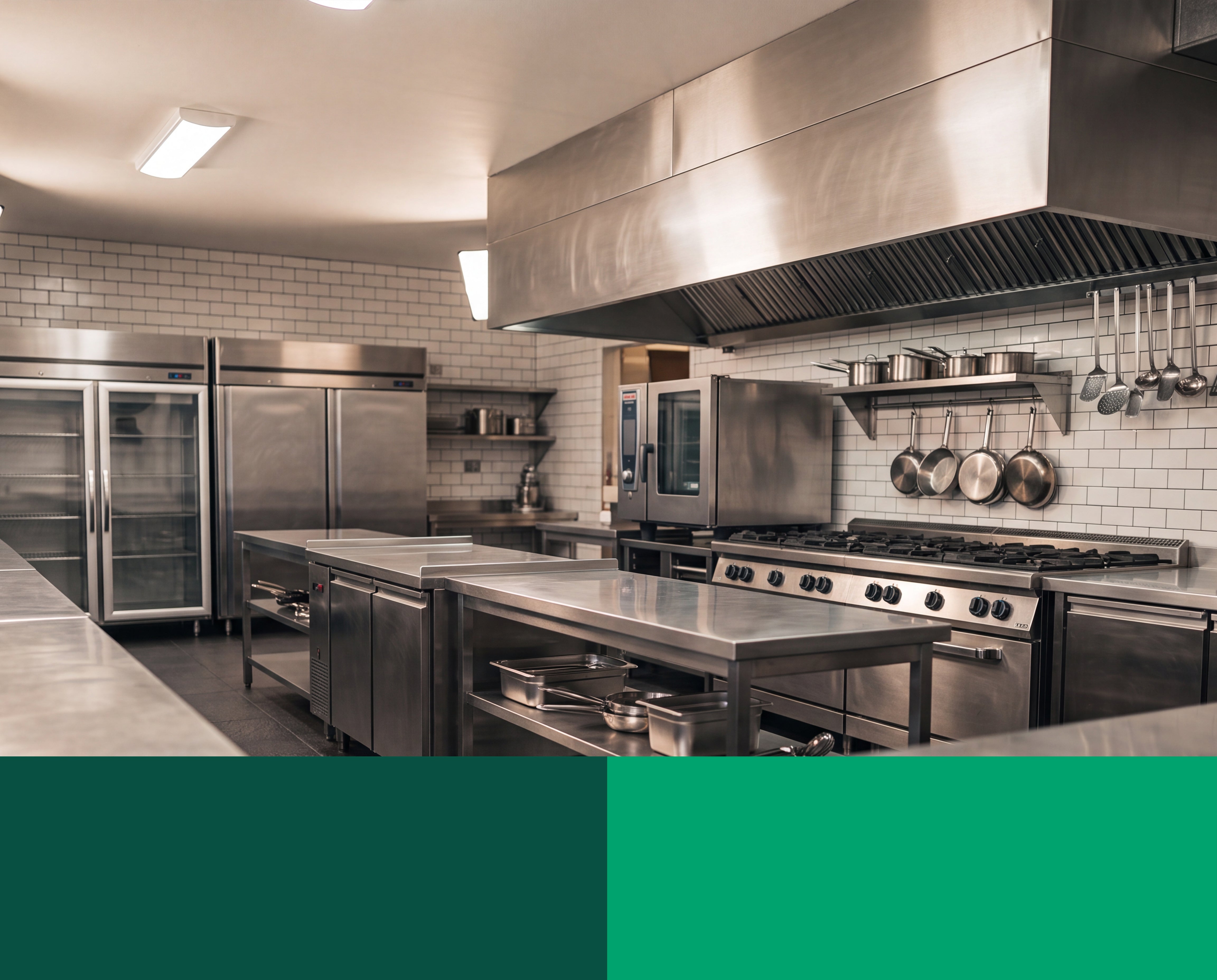
Food waste separation is simple in principle, but difficult in real operations. The challenge is not only choosing a compostable liner or adding a food waste bin. The challenge is making the system easy enough for busy staff to follow every day.
Wet food waste is heavy
Food scraps, coffee grounds, fruit, vegetables, leftovers and preparation waste can quickly become heavy. If bins or liners are too large, too full or poorly placed, staff may avoid using them or struggle during transfer.
Bin placement affects staff behaviour
A food waste bin placed too far from a prep bench, dishwashing area or coffee station is easy to ignore during peak periods. FOGO setup needs to match the way staff actually work.
Leaks create cleaning rework
Wet food waste can create liquid, odour and mess. Liner failure is not only a product issue. It can become an operations issue, creating extra cleaning, staff frustration and hygiene pressure.
Staff need simple rules
Enterprise kitchens often rely on rotating teams, casual staff, shift workers and contractors. FOGO instructions need to be simple, visual and easy to follow under pressure.
Local acceptance can be confusing
Compostable, biodegradable, certified and council-accepted are not always the same thing. Product selection should be checked against the relevant council, facility, processor or waste service provider requirements.
Multi-site teams need consistency
For restaurant groups, venues, institutions and facilities, the same FOGO message may need to work across different kitchens, teams, bin rooms and collection arrangements.
Choose the right pathway
Not every enterprise team needs a custom solution. Guarden helps you identify whether your next step is standard products, samples, specifications, staff resources or custom development.
Need standard stocked products?
If you only need ready-to-buy compostable bags or liners, Compostar is the right pathway.
Need samples or product guidance?
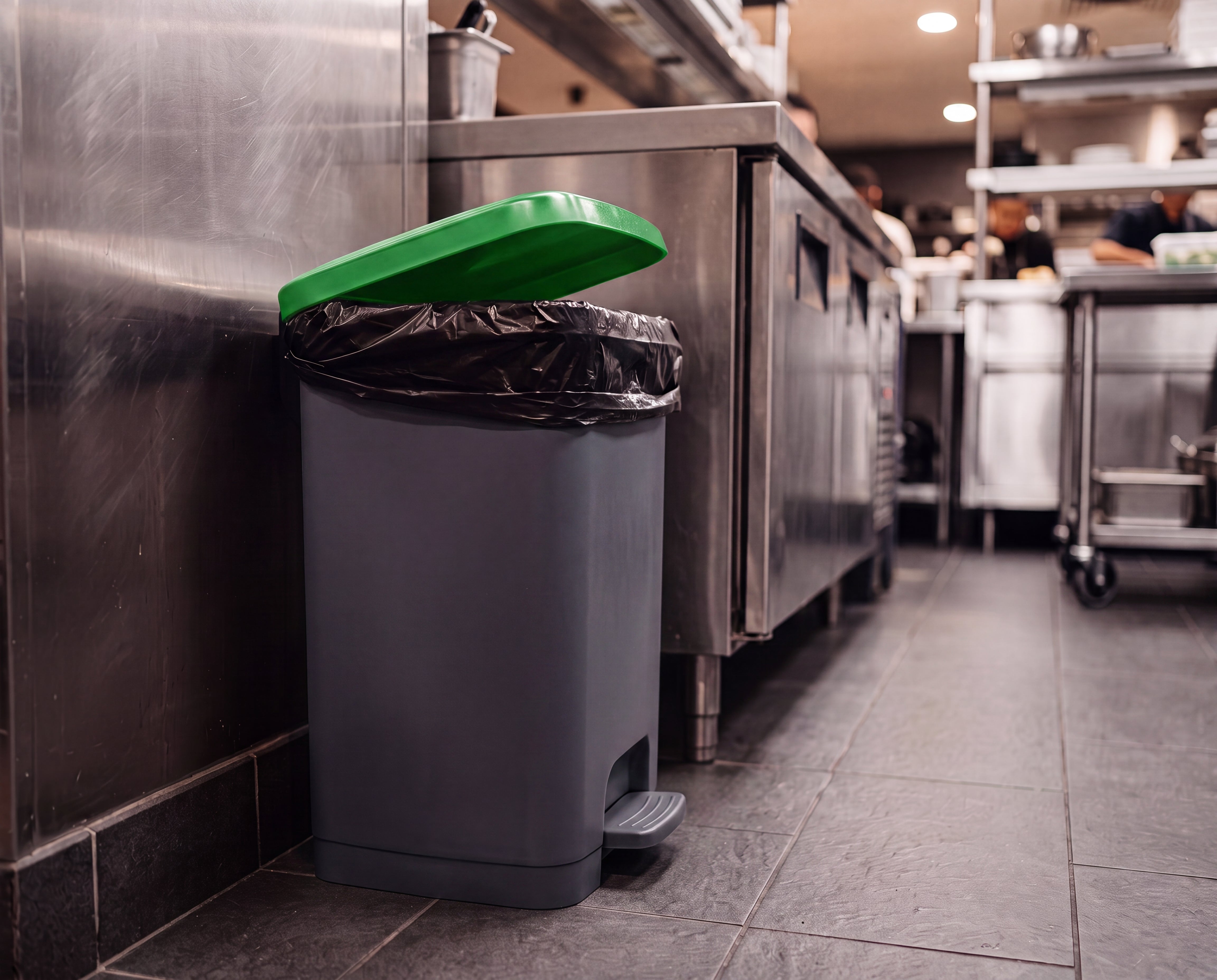
If your team wants to test liner fit, handling or wet food waste performance before scaling, Guarden can help.
Need staff guidance or site setup support?
If your team needs labels, one-page guides, sorting prompts or back-of-house setup notes, Guarden can support practical FOGO resources.
Need custom specs or multi-site support?
If you need custom liner sizes, packaging requirements, supplier notes or multi-site consistency, contact Guarden.